An auto repair shop is a service business that diagnoses, maintains, and repairs vehicles, and Ontario's trade definition covers servicing, repairing, overhauling, diagnosing, and inspecting motor vehicles. In practical terms, it's where skilled technicians use hands-on repair work, testing equipment, and vehicle information to keep a car or SUV safe and roadworthy.
You may be asking because your dashboard warning light came on, your brakes started squealing, or your SUV needs service before a busy week of commuting around Whitby. The difference between a useful repair visit and an expensive guessing exercise often comes down to knowing what a shop does, what Ontario law requires, and which type of business fits the problem.
The Everyday Definition of an Auto Repair Shop
It's a cold Monday morning in Whitby. You pull into a service lane with a coffee in the cupholder and a warning light glowing on the dashboard. A technician meets you at the vehicle, asks what you've noticed, and listens to the engine before deciding whether the first step should be a road test, a visual inspection, or electronic diagnostics.
That simple interaction captures the basic meaning of an auto repair shop. It's a service business that works on vehicles for paying customers. The work can include scheduled maintenance, fault diagnosis, component replacement, safety inspections, and repairs that return the vehicle to proper operating condition. A shop may use hand tools for a brake inspection, a scan tool for an engine-management fault, and measurement equipment to check alignment or suspension condition.
A gas station might sell fuel and perform limited fluid or tire-related services. A body shop may concentrate on damaged panels, refinishing, and structural collision work. A dealership service department supports a particular vehicle brand and may combine maintenance with manufacturer programs, warranty procedures, and factory-specific equipment. Those businesses can overlap, but they aren't interchangeable.
The work behind the service counter
A technician doesn't replace the part connected to a dashboard code. The technician needs to identify the underlying fault, confirm the diagnosis, complete the repair, and test the vehicle afterward. That process is why a proper shop combines wrench work, computer diagnostics, scheduled maintenance, and inspections.
Ontario's legal description is broader than everyday conversation. It includes servicing, repairing, overhauling, diagnosing, and inspecting motor vehicles, including major systems such as brakes, steering, suspension, transmissions, engines, axles, and differentials (Ontario's automotive service technician regulation).
For a fuller look at the practical work performed by a local repair facility, drivers can review auto repair services in Whitby. The definition to remember is simple: an auto repair shop diagnoses vehicle problems, maintains working systems, and repairs or verifies the components that affect safe operation.
What Ontario Law Says a Repair Shop Does
A warning light appears on your commute, but replacing the part named by a scan code may miss the actual fault. Ontario's trade definition gives the everyday phrase “mechanic shop” a more precise meaning. An automotive service technician's scope includes servicing, repairing, overhauling, diagnosing, and inspecting motor vehicles. It also covers disassembling and reassembling major assemblies, including engines, transmissions, clutches, differentials, rear ends, brakes, drive shafts, axles, steering, and suspension systems.
That scope shapes the work a customer receives. For a braking complaint, a technician may examine friction material, hydraulic components, calipers, hoses, sensors, and related hardware. For a drivability problem, the shop may combine scan-tool information with electrical testing, physical inspection, and a road test.
Why inspection belongs in the definition
A shop does not need to install a replacement part to perform skilled trade work. Ontario's scope includes inspection, so a pre-purchase inspection, condition check, or safety-related assessment can involve a detailed evaluation of the vehicle's systems and operating requirements.
A scan tool reports a stored fault, but the code does not automatically identify the failed component. The technician still has to isolate the cause and confirm that the vehicle operates correctly after the repair. Depending on the vehicle and the job, that process may use manufacturer-specific information, electrical measurements, component tests, and post-repair checks.
For inspection-related work in Whitby, drivers can review an auto inspection station in Whitby. The practical rule is simple: a professional repair process should answer three questions, what failed, what corrected it, and how the shop verified the result.
This separates a structured repair operation from a hobbyist garage or a quick-lube bay focused on a narrow task. A real repair shop is organised around diagnosis, skilled intervention, and verification, rather than simple parts swapping.
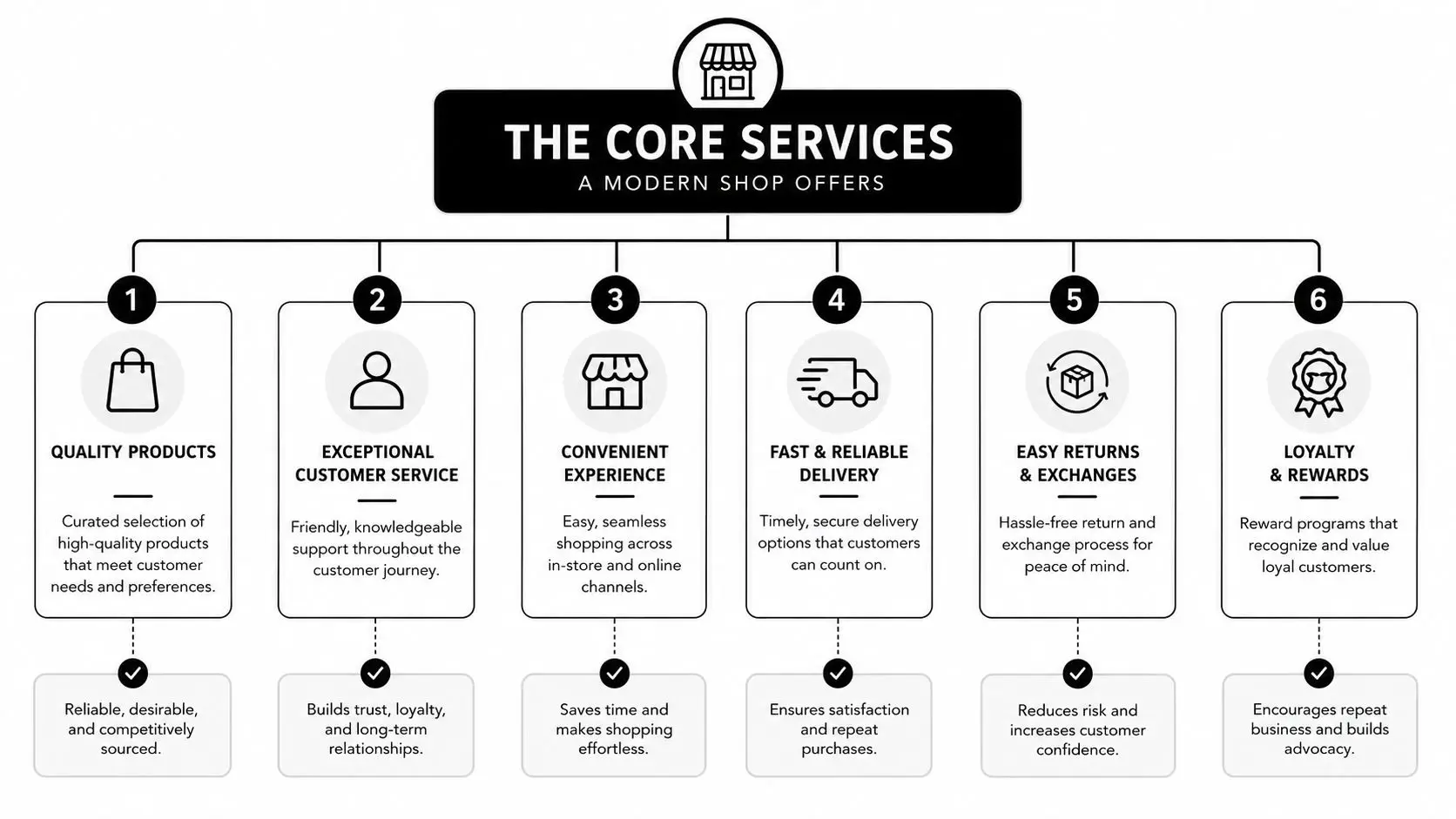
The Core Services a Modern Shop Offers
A modern shop's service menu makes more sense when you group the work by its purpose. Some services keep a vehicle operating, others correct failures, and some protect the vehicle from damage or appearance-related wear.
Keeping the vehicle dependable
Routine maintenance supports systems before a warning becomes a breakdown. A driver might request an oil change, fluid service, filter replacement, tire rotation, wheel alignment, or multi-point inspection. These appointments also give the technician an opportunity to identify worn brakes, damaged belts, leaking components, poor tire wear, or suspension concerns.
Fixing what has failed
Repair work starts with a symptom and ends with a confirmed correction. Common examples include brake service, steering and suspension repairs, exhaust work, transmission service, engine diagnostics, battery and charging-system testing, and electrical troubleshooting. For drivers dealing with wiring, starting, lighting, or immobiliser problems, a specialised resource such as an auto electrician in Bridgend illustrates how electrical faults can require focused testing rather than guesswork.
Protecting the vehicle
Some facilities also work on appearance and long-term protection. Window tinting, paint protection film, undercoating, and detailing don't replace mechanical service, but they address different ownership needs. Paint protection film, for example, is intended to protect selected painted surfaces from ordinary road exposure, while detailing focuses on cleaning and presentation.
Managing damage and supporting fleets
Collision-oriented work can include panel repair, structural or frame work, refinishing, and support with insurance documentation. Fleet service is different again. A business may need scheduled maintenance, inspections, repair records, and planned turnaround for company vehicles so one vehicle doesn't sit unused longer than necessary.
Not every shop offers all these categories. A one-stop auto service shop in Whitby may combine several, while a specialist may concentrate on one system or service type. The right question isn't whether a shop offers everything. It's whether it has the equipment, training, and workflow for your specific job.
Independent Shops vs Dealerships vs Specialty Shops
A Whitby driver with an older Honda, a newer Ford SUV, or a damaged vehicle shouldn't choose a service provider by habit alone. The vehicle's age, the fault, warranty status, and required equipment all affect the best fit.
| Factor | Independent Shop | Dealership | Specialty Shop |
|---|---|---|---|
| Service breadth | Often works across several makes and handles maintenance and general repairs | Focuses on one manufacturer and its service programmes | Concentrates on a narrower area, such as collision, transmissions, or electrical work |
| Diagnostic depth | Varies by equipment, training, and vehicle coverage | Strong access to brand-specific tools and technical information | Often deep within its chosen system or repair type |
| Cost approach | May offer flexibility in parts and repair choices | Uses brand procedures and pricing structures | Pricing reflects specialised labour, equipment, and materials |
| Parts sourcing | May use OEM or quality aftermarket parts, depending on the job and approval | Commonly follows manufacturer parts and procedures | Sources parts and materials suited to its speciality |
| Best fit | Routine maintenance, older vehicles, mixed fleets, and general repairs | Brand-specific concerns, warranty processes, and manufacturer procedures | Complex subsystem work or specialised damage and protection services |
An independent shop can be a practical choice when you want one team to understand an older vehicle over time, manage routine maintenance, or service several makes in a household or fleet. A dealership may be the more direct route for brand-specific software, factory campaigns, or warranty-related concerns. A specialty operator makes sense when the job needs focused capabilities, such as structural collision repair, paint refinishing, transmission rebuilding, or advanced electrical diagnosis.
The choice also depends on communication. Ask who will diagnose the problem, which parts are proposed, and how the shop will verify the repair. For owners operating a repair business, this guide to garage liability insurance from Professional Insurance Advisors, LLC provides useful context about the risks a professional facility manages behind the scenes.
For local drivers comparing options, automotive repair shop services in Whitby can be one point of reference, but the decision should remain job-specific. Dealer, independent, and specialty services aren't competing answers to one generic question. They're different tools for different vehicle needs.
Your Rights as a Repair Customer in Ontario
Your vehicle needs a repair, and the shop suggests work beyond your original request. Before approving anything, you need to know what was proposed, what it should cost, and what happens if the diagnosis changes. Ontario's car repair consumer guidance sets the basic rules for that conversation.
A repair estimate works like a written starting line. It should identify the proposed work and expected charges, giving you a clear basis for approval. The same principle applies whether you visit a dealership, neighbourhood garage, auto body shop, or muffler shop. If the technician finds another problem, the shop should contact you before going beyond the agreed work.
The estimate and approval process
Ontario's guidance generally limits a garage to charging no more than 10% above the estimate, unless you agreed to a maximum amount or authorised additional work. Treat a request for “a little more work” as a prompt for specific information. Ask what changed, why the repair matters, and what the revised total will be.
Keep your approval in a form you can review later, such as a message, signed estimate, or other recorded authorisation. Ask whether the shop will retain replaced parts, particularly when the job involves a significant component. Once the repair is complete, request a final itemised invoice showing labour, parts, taxes, and other charges separately.
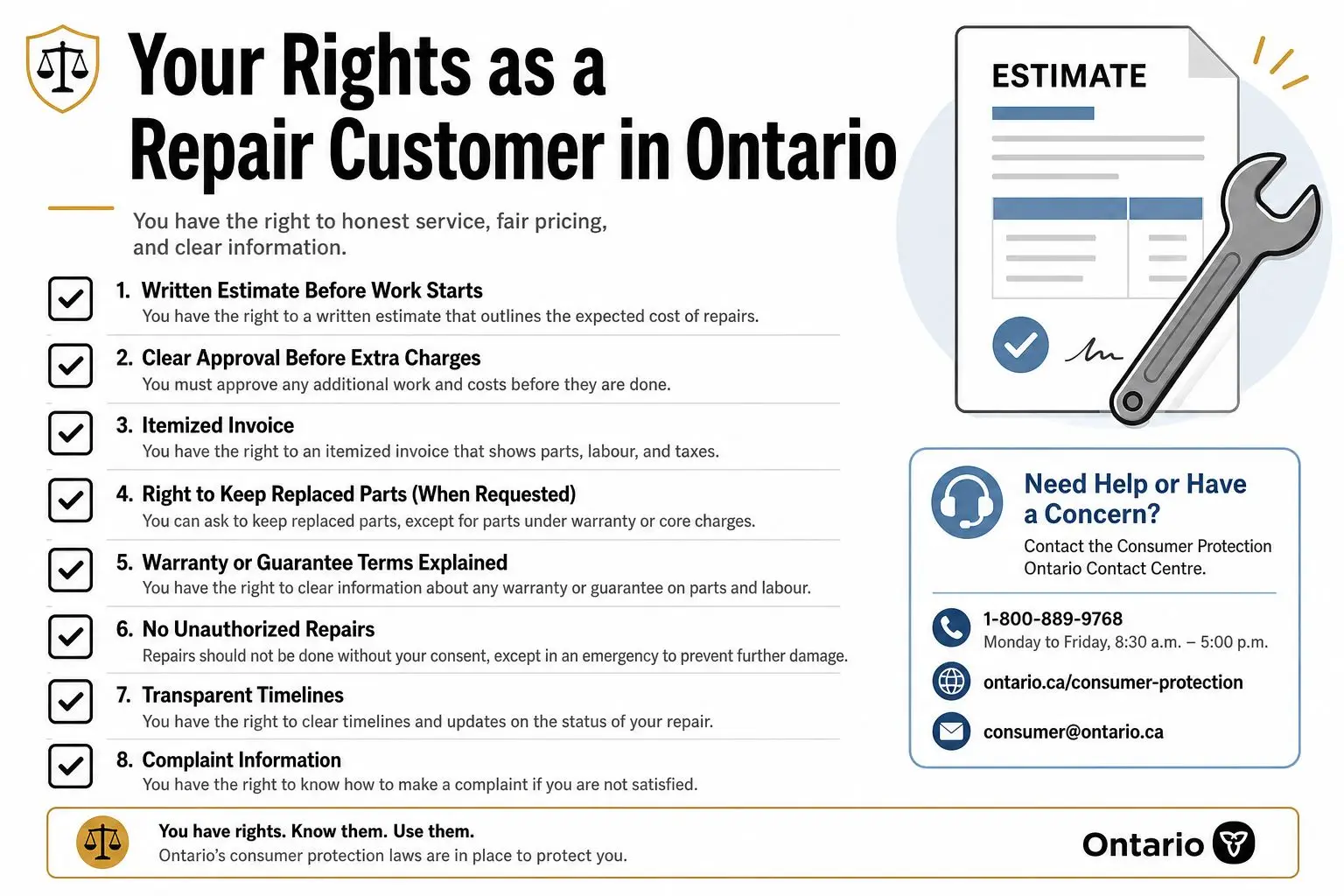
Warranty and out-of-pocket repairs can follow different approval paths. A manufacturer warranty may require brand-authorised procedures or records, while an extended warranty provider may require approval before work starts. Optional products can have separate cancellation rules, so read the agreement instead of assuming every service has the same treatment.
If a concern remains unresolved, keep the estimate, approvals, invoice, inspection notes, and messages. Ontario's guidance provides a useful reference, and safe auto repair practices in Whitby offers another practical point to review before authorising work. Clear paperwork protects the customer and gives an honest shop the information needed to resolve questions.
Choosing a Local Shop in Whitby
Consider a driver with a newer SUV used for commuting, errands, and family trips around Whitby. The vehicle still has powertrain coverage, but it also needs routine maintenance and has begun showing early brake wear. The owner is comparing the brand dealership with a local shop for different parts of the vehicle's service life.
The dealership may be the natural first call for a warranty concern, a manufacturer-specific procedure, or a technical issue that needs factory information. A local independent shop may be more convenient for regular maintenance, brake service, tire work, and future wear-item repairs, provided it can handle the vehicle and clearly explain its parts and labour choices.
Questions worth asking before booking
Start with the job, not the shop's marketing description. Ask whether the facility services your make and model, whether its technicians have relevant qualifications, and whether it has the diagnostic equipment required for the requested work.
Then clarify the parts decision. For a warranty-sensitive repair, ask whether the proposed part is OEM or aftermarket, whether the warranty provider has conditions, and who will handle approval. A transparent answer is more useful than a blanket promise that every repair is identical.
Whitby and Durham Region driving also create practical service considerations. Winter salt can affect underbody components and brake hardware, while changing seasons and repeated short trips can expose weak batteries, tires, wipers, and suspension components. The exact service need depends on the vehicle, usage, and inspection findings, so a technician should explain the condition rather than prescribe work from the calendar alone.
A good local choice feels predictable: the shop can explain the diagnosis, document the recommendation, and tell you what needs attention now versus what can wait.
Over time, many households settle into a mixed pattern. They may use the dealership for brand-specific warranty matters and a trusted Whitby shop for general maintenance, repairs, vehicle protection, or fleet needs. Others prefer one independent facility that can manage most work under one roof. Convenience matters, but capability and documentation should decide where the keys go.
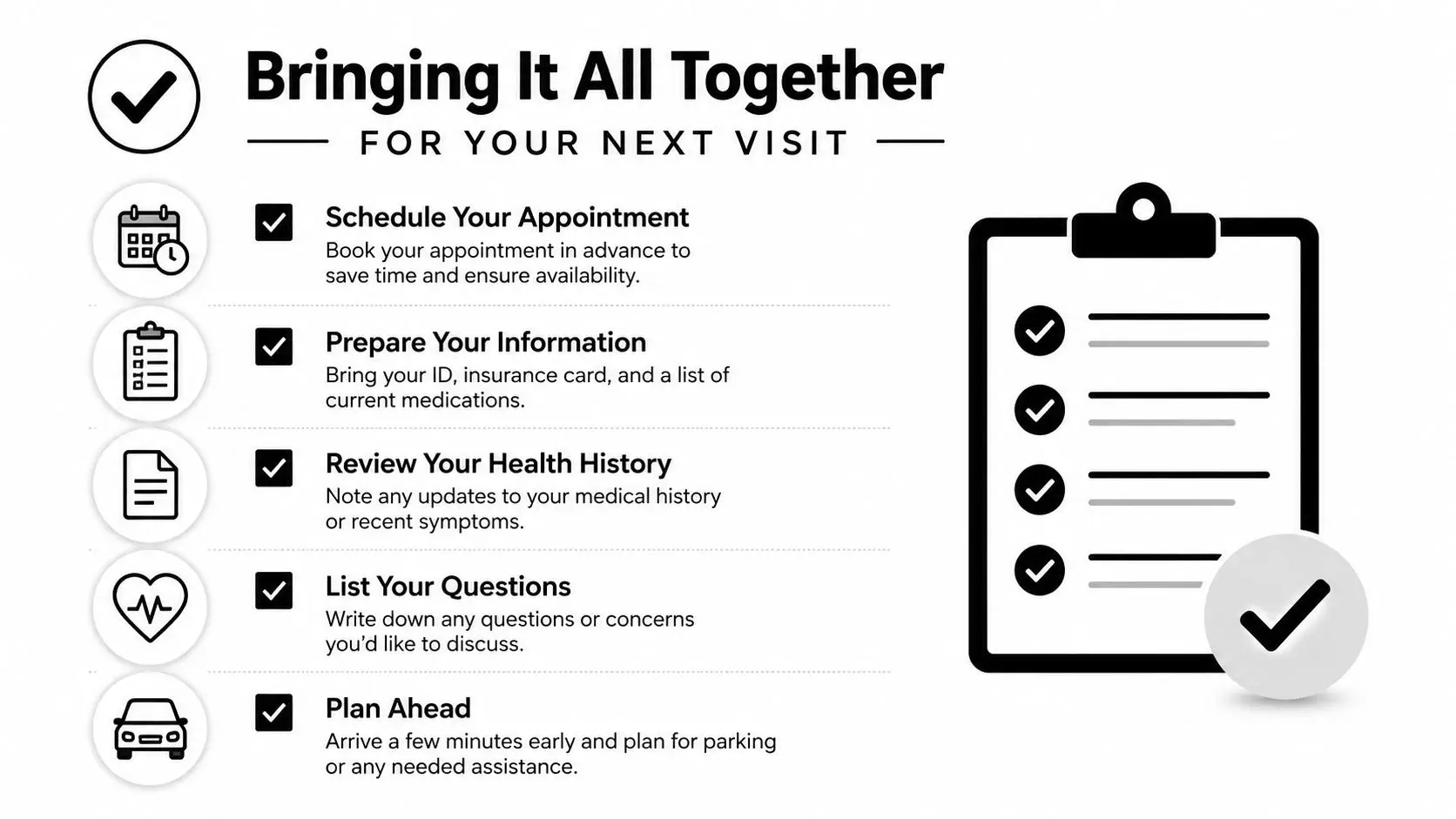
Bringing It All Together for Your Next Visit
An auto repair shop is more than a room with lifts and toolboxes. It is a service business where technicians inspect vehicles, diagnose faults, maintain working systems, repair failed components, and verify the result. In Ontario, that work sits within a defined automotive service technician scope, while consumer rules shape how estimates, approvals, and invoices must be handled.
The shop type should match the job. An independent facility may suit general service, mixed makes, older vehicles, and fleet maintenance. A dealership may fit warranty or manufacturer-specific work. A collision, electrical, transmission, tinting, or PPF specialist may be the better choice when the repair requires narrow expertise.
A practical pre-visit checklist
Before handing over the keys, ask:
- Confirm the scope: Does the shop perform the exact maintenance, diagnostic, repair, collision, or protection service required?
- Request the estimate: Ask for a written estimate before authorising work, unless you intentionally choose to decline one.
- Clarify approvals: Ask how the shop will contact you if the diagnosis changes the recommended repair or price.
- Review the invoice: Expect a final, itemised invoice showing the work and charges.
- Check warranty terms: Confirm coverage for parts and labour, and ask whether a manufacturer or extended warranty provider must approve the work.
- Discuss verification: Ask how the technician will test the vehicle after the repair.
A well-run shop treats these steps as standard practice. You shouldn't have to choose between technical competence and plain communication. For a Whitby driver, the most useful definition is also the most practical one: an auto repair shop is the place where vehicle knowledge, repair skill, testing, and customer accountability meet.
Carmedics Autowerks Inc offers general auto repair, diagnostics, fleet maintenance, window tinting, paint protection film, and collision repair for Whitby drivers. Visit Carmedics Autowerks Inc to discuss your vehicle's needs, request the right service, and start with a clear plan before work begins.