


You're on the 401 in Whitby, the roads are wet with salt slush, and a truck ahead throws a burst of frozen grit into the lane. You hear the tiny tick on the hood a second too late, then see a fresh star-shaped chip that wasn't there when you left home. That's the frustrating part of rock chips, they usually happen in an instant, and the longer they sit, the more they turn from a cosmetic annoyance into a repair problem.
Why Ontario Drivers See Rock Chips Every Week
The daily drive that does the damage
A lot of Ontario drivers think rock chips are a road-trip problem. In reality, they're a weekly commuter problem on routes like the 401, the 407, and the arterial roads around Whitby, Ajax, and Pickering. One loose stone from a truck tire or a patch of shoulder gravel can hit the hood, bumper, or windshield before you even have time to react.
Ontario winter makes it worse because road salt, sand, and slush keep moving around long after the storm has passed. Frozen debris gets picked up by traffic, then flung into the first exposed surfaces at highway speed. That's why chips often show up on the leading edge of the hood, the front bumper, the mirrors, and the front fenders first.
Practical rule: if a panel faces oncoming traffic, it needs protection before the nice-to-have parts do.
Why small chips turn into bigger repairs
A chip is never just a chip if it opens the paint. Once moisture and salt get into the breach, the metal underneath starts losing the battle. In Whitby and across Durham Region, that matters because winter salt doesn't just sit on the surface, it works into scratches and chips during freeze-thaw cycles.
That's why the smart response isn't to wait until spring. A small repair now can stay small. Ignore it through the rest of winter, and you're giving rust a longer runway.
The right mindset is simple. How to protect car from rock chips in Ontario is really about stopping the first impact, then keeping winter contamination off the damage you do get. That means planning around the roads you drive, not around a perfect-weather scenario that never shows up here.
High-Impact Zones to Protect First
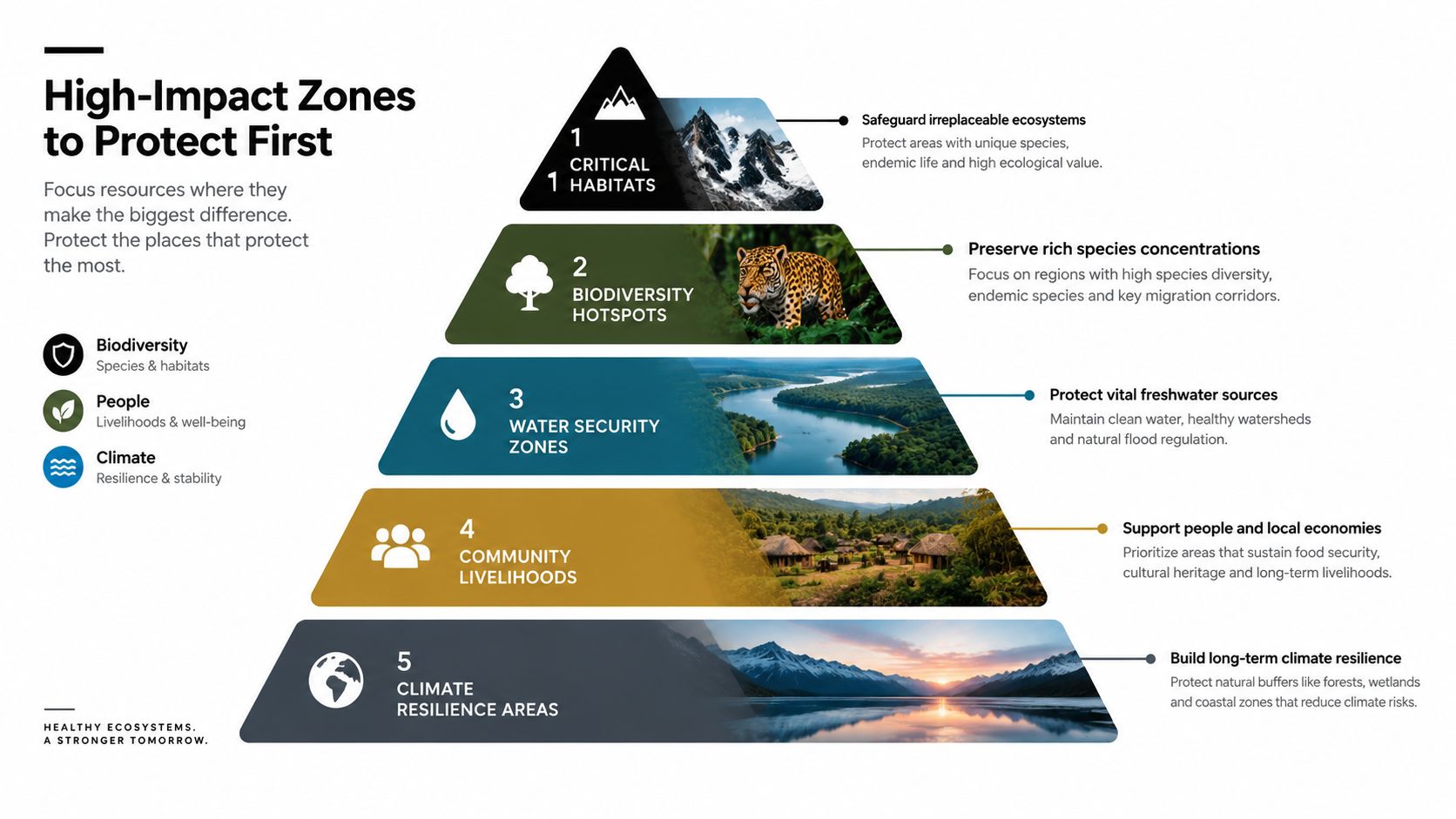
Start with the surfaces that get hit first
On a daily-driven vehicle, protection should follow the path of the debris. The first place I look is the front bumper fascia, because it takes the brunt of road spray and low strikes. Right after that comes the leading edge of the hood and the top edges of the front fenders, which are exposed every time a truck or gravel-hauling vehicle passes.
From there, move down to the rocker panels and lower doors. Those areas don't get talked about enough in generic guides, but they're the panels that take abuse from your own wheels and from slush thrown by traffic beside you. If you drive an SUV or crossover in winter, they're not optional.
3M Canada describes its paint protection film as a clear polyurethane film designed to protect automotive paint from stone chips, scratches, bug damage, road tar stains, automotive fluid stains, and outdoor weathering, with 10-year warranty coverage for Scotchgard PPF Pro Series from purchase (3M Canada). That's the right kind of barrier for those forward-facing zones.
Add the pieces that are easy to miss
If the budget stretches, I always recommend including mirror caps, headlights, and the area behind the windshield wipers. Mirrors stick out into the airflow, headlights are expensive to replace, and the cowl area behind the wipers gets peppered more than most owners realise.
The cleanest strategy is to think in layers. Protect the front first, then the lower sides, then the exposed accessories. If you only cover part of the vehicle, make sure the partial coverage starts at the surfaces that face traffic first.
For a service-focused look at coverage options, Carmedics Autowerks breaks down paint protection film choices for Whitby drivers who want the front end done properly.
Comparing PPF, Ceramic Coating, and Windshield Film
If you want to stop rock chips, the comparison has to be honest. Paint Protection Film, ceramic coating, and windshield film do not do the same job. One absorbs impact, one helps with cleaning, and one is aimed at glass.
| Protection Type | Stops Rock Chips? | Typical Lifespan | Cost Range (Ontario) | Best For |
|---|---|---|---|---|
| PPF | Yes, on painted panels | Long-term, depending on exposure and care | Higher upfront, varies by coverage | Hood, bumper, fenders, mirrors |
| Ceramic coating | No | Multi-year, product dependent | Lower than film, varies by prep and package | Easier washing, salt and tar cleanup |
| Windshield film | Helps on glass impact and crack resistance | Depends on product and use | Varies by glass coverage and vehicle size | Highway commuters, winter driving |
What each product actually does
PPF is the only option here that physically absorbs the hit from gravel and ice. Avery Dennison's Supreme Defense PPF data sheet states that the film passes SAE J400 rock-chip testing, with application temperatures of 50 °F (10 °C) for flat or simple curves and 60 °F (16 °C) for complex curves. It also lists 10-year durability on vertical exposure and 7-year durability on horizontal exposure, with reduced durability in hot-sun markets such as Southern California (Avery Dennison data sheet).
Ceramic coating makes the car easier to wash and helps with contamination, but it won't stop a stone. I still like it as a topper because it makes winter maintenance easier, but it's not a substitute for impact protection.
Windshield film is the interesting middle ground for Ontario and especially highway commuters. Canadian coverage of this niche points to glass-specific protection for stone-chip reduction, frost, and UV-related cabin heat, which is why more drivers are asking whether they need glass protection instead of more paint coverage (Canadian program overview).
The real-world combination
For a car that lives on the 401, the practical mix is often front-end PPF, windshield film, and a ceramic coating on top for easier cleaning. If you're trying to choose only one product, choose the one that matches the surface you're trying to save. Paint damage and glass damage are related problems, but they don't need the same fix.
Carmedics Autowerks also has a plain-English comparison of paint protection film or ceramic coating for drivers trying to sort out what each one really covers.
Driving Habits and Add-Ons That Cut Chip Risk
No product completely replaces smart driving. If you spend time on the 401 or 407, the way you move through traffic matters almost as much as what's on the paint.
Four habits that actually help
Leave more space behind trucks. Debris loses energy with distance, so a bigger gap gives you a better chance of avoiding the worst hits.
Avoid the inside track on lane changes. That's where loose gravel and road junk tend to collect, especially near construction zones and merge points.
Ease off when you're behind a dump truck or gravel hauler. If the vehicle ahead is carrying the stuff that becomes a chip, the safest move is obvious.
Time your commute away from detours when you can. Construction routes funnel more debris into fewer lanes, and those lanes take a beating.
The cheapest protection is still distance. If you can't change the road, change your position on it.
Add-ons that work with film, not instead of it
Mud flaps, splash guards, edge guards, and rubberised door-edge moulding all have a place. On SUVs and trucks, splash guards help keep stones from your own tyres off the lower body. Thermoplastic edge guards help take abuse on hood and trunk lips. Door-edge moulding is useful in parking lots and tight spaces where chips and nicks happen together.
I also like to see more cars parked nose-in in winter lots, or a little farther from the curb. That reduces exposure to snowplow splash and the slush that passing traffic throws into the lower panels. In Whitby, that simple habit saves more paint than people expect.
For a closer look at glass-specific protection, Carmedics Autowerks has a useful page on windshield film protector for drivers who spend their week on fast roads.
Repair Costs Versus Protection in Ontario
The cost question is where a lot of owners hesitate. They know chips are annoying, but they want to know whether protection makes sense compared with repair and insurance.
Ontario pricing varies by shop and vehicle, but the basic comparison is straightforward. A single chip repair is a lot cheaper than repainting a hood or replacing glass, yet repeated damage stacks up fast. That's why many owners end up deciding between prevention now or repairs later.
| Service | Typical Ontario Cost | Frequency |
|---|---|---|
| Body-shop chip repair | Lower single repair cost, varies by severity | As needed |
| Hood repaint | Higher single-panel repair cost | When damage gets too visible |
| Windshield chip repair through insurance | Often handled with low out-of-pocket cost depending on policy | When a chip appears |
| Partial front-end PPF package | Upfront protection cost, varies by vehicle and coverage | One-time installation |
| Full-vehicle PPF | Much higher upfront protection cost | One-time installation |
| Ceramic coating | Mid-range protection and maintenance service | One-time installation or refresh cycle |
The financial logic behind prevention
A car owner who drives the 401 every week isn't just buying against one chip. They're buying against the repeat pattern of hits, winter salt, and repair time. That's why a partial front-end PPF package often makes more sense than patching the same surfaces over and over.
There's also an insurance angle. If you want a neutral overview of comprehensive auto insurance coverage, it's worth checking what your policy does before assuming every chip is an out-of-pocket event. Coverage rules can change the math, especially on glass.
The honest breakeven mindset
If your car is new, leased, or still looks factory fresh, a clean front-end package is usually easier to justify than chasing paint repairs later. If the vehicle already has visible damage, then the decision shifts toward stopping new chips from turning into bigger problems.
Carmedics Autowerks has a dedicated breakdown of rock chip repair cost that helps owners compare the repair path against prevention without guessing.
Winter Maintenance That Makes Protection Last
Winter is the stress test. Salt, grit, slush, and repeated freeze-thaw cycles will expose weak prep work faster than anything else on the car.
A winter routine that keeps protection working
Wash before a storm if the car already has salt on it. A touchless wash helps strip the surface before the next round bonds to it.
Wash again within 48 hours after a storm when the roads are still throwing salt and sand. Pay attention to the wheel wells, rocker panels, and lower doors, because that's where the grime sits longest.
Use a foam pre-soak before any mitt touches the paint. It lifts grit so you're not grinding it across the film or coating.
Practical rule: if the car feels gritty, don't drag a mitt across it dry or half-clean.
What to avoid in winter
Brush car washes are rough on both film and coatings. The bristles can catch edges on PPF and they can dull the water-beading behaviour that makes ceramic coatings easier to live with. A soft wash method is slower, but it's gentler on the protection you paid for.
For de-icing, keep it simple. Warm water on glass is safer than boiling water, and a soft-bristle snow brush is less likely to snag film edges than a stiff one. Don't dig at ice with hard tools near the wrapped edges.
Ontario guidance also points out that salt can become trapped in chips and scratches, which is exactly why regular washing matters in Whitby and Durham Region (Ontario road hazards and PPF protection). A service guide from Ottawa also recommends washing every 1 to 2 weeks in winter to remove salt buildup before it works into the finish (winter damage guide).
When a chip needs attention
Any chip larger than a pencil eraser, any chip showing white primer, or any chip sitting in the driver's line of sight needs same-week attention. Ontario auto-glass guidance also uses the size of a Canadian quarter or loonie as a practical threshold for deciding whether a chip is still repairable or getting close to replacement territory (Ontario windshield guide).
Carmedics Autowerks keeps a practical 10-point winter car maintenance checklist for owners who want the whole vehicle looked after, not just the paint.
When to Book Rock Chip Protection at Carmedics Autowerks
If you can already see chips on the hood or bumper, the window for easy prevention is shrinking. The same goes for a new vehicle, a leased vehicle, or any car that's about to take on another Ontario winter on the 401. Long highway trips also make a strong case for booking before the damage gets worse.
What to ask for in the consultation
Start with a full-front PPF package if the car sees regular highway use. Add windshield film if the glass takes repeated hits, and ask about a ceramic topper if you want easier winter washing. Edge guards on high-wear areas make sense for vehicles that live in parking lots, school runs, or tight curbside spaces.
A proper shop install should begin with a thorough wash and decontamination, not a quick wipe-down. Film sticks best to clean, prepared paint, and that matters even more on winter-beaten vehicles with salt residue, tar, or embedded grit. Driveway installs can work in some situations, but they rarely give the same controlled prep and finish quality as a shop environment.
For car owners who call around before booking, a smarter intake setup can make the process smoother. Businesses that can capture leads from car repair calls usually give customers faster answers on service fit, timing, and package options, which saves a lot of back-and-forth.
The three decisions to make before you book
Decide which surface you're trying to save. Paint, glass, or both.
Decide how much highway and winter use the car gets. That drives the package size.
Decide whether you want prevention now or repairs later. That answer usually settles the budget question.
If your vehicle spends real time on Ontario roads, Carmedics Autowerks Inc in Whitby can protect the high-impact areas that take the abuse first, from PPF to windshield film and related prep work. Visit Carmedics Autowerks Inc to book a consultation and get the right protection plan in place before the next round of salt, gravel, and highway debris shows up.